Not so long ago, the idea of a million-dollar home would evoke visions of champagne wishes and caviar dreams. Expectations have changed while the market soars, but a million bucks still buys plenty in today’s housing market. Honest!
We were curious to see what a home buyer could score while sliding in just below the million-dollar mark. We found nine great homes from around the country, all strategically priced at $999,999.
As for how far your dollar will stretch, we found two smaller beach houses—one in Hawaii and one in California. But that very same price tag could land you a gorgeous, 5-acre wooded retreat in Wisconsin, a luxury desert retreat in Arizona, or a 70-acre horse farm decked out for even the most discerning equestrian lover.
So set down your caviar spoon and save your million-dollar fantasies for another day. There’s plenty of wish fulfillment to be found in these nine homes, priced a buck below that magic price point…
Square footage: 3,721 Price per square foot: $269 Desert dwelling: Sitting on nearly a half-acre in the gated Las Sendas golf community, this four-bedroom, Tuscan-style home was built in 2006. It’s loaded with upgrades, like built-ins, tumbled travertine floors, and an owner’s suite with full sitting room. However, its top feature might just be the amazing mountain views. The backyard is an entertainer’s oasis, with a covered patio, pool, fire pit, and a staircase to an observation deck designed to maximize views of the city below.
Square footage: 3,934 Price per square foot: $254 Giddy up! Equestrian lovers will swoon for this 1890 brick farmhouse sitting on nearly 70 acres. The property also features an indoor riding ring, plus 14 stalls. The three-story main house features a custom brick and stone kitchen, an owner’s suite with balcony, hardwood floors, and a mudroom with half-bath. The property also includes additional barns, fenced pastures, and other perks for horseback riding aficionados.
Square footage: 5,336 Price per square foot: $187 Dunes West: Custom-built in 1996, this five-bedroom home sits on a wooded, 2-acre lot. Traditional interiors feature a two-story foyer, cathedral ceilings, and fireplace. There’s also a wet bar leading to a wood-paneled man cave. Outside, there’s a two-level patio with awning and a spiral staircase leading to an observation deck. The gated community is filled with trails and offers golf, pools, tennis, and a fitness center.
Square footage: 5,330 Price per square foot: $188 Stately Colonial: Great curb appeal all over! This five-bedroom Colonial sits on 2 acres and is punctuated by a 20-foot lighted flagpole. The interiors have been updated and include a large mudroom, hardwood floors, a gas fireplace in the owner’s suite, and a bonus room. Outside, the grounds have been professionally landscaped and are ready for long days of family fun.
Square footage: 6,063 Price per square foot: $165 Hilltop hideaway: Perched on nearly 5 wooded acres, this four-bedroom Craftsman home was built in 2006. Indoors, the home has maple and mesquite floors, a theater room, Amish cabinetry, six fireplaces, and a fully finished walkout lower level. There’s also an additional garage, which can accommodate up to eight cars and a motor home.
Square footage: 2,345 Price per square foot: $426 Beach house: This compact two-bedroom is just three short blocks from the beach and is offered with all the furnishings. Which means it’s an easy, breezy turnkey rental property or vacation home. Built in 1890, the adorable Victorian includes a loft with skylight as well as an updated kitchen.
Square footage: 4,936 Price per square foot: $203 Wooded paradise: Elegant inside and out, this five-bedroom home was built in 2005, and has been recently updated with new paint and carpet. Decorative lighting, hardwood floors, and dual staircases give the interiors a timeless appeal. The real highlight is the backyard, with its large, covered patio, grill, pool, and spa, all surrounded by mature trees and professional landscaping.
Square footage: 3,250 Price per square foot: $308 Deer Creek discount: According to the listing details, this three-story home is priced at $100,000 below its estimated value. Built in 1999, the custom home has more than 50 windows to bring in the surrounding views. The kitchen has been remodeled, and the hardwood floors feature Brazilian cherry inlay for flourish. A spacious deck serves as a dramatic backdrop for outdoor entertaining, while the finished walkout basement offers plenty of indoor space for family and friends to gather when temperatures dip. Check out those views!
Square footage: 2,340 Price per square foot: $427 Beach beauty: A sandy beach for swimming, snorkeling, and fishing sits just minutes away from this four-bedroom island home. Built in 1956, this Oahu property has several modern updates to the kitchen and bathrooms and features a loft, large owner’s suite, and a fenced backyard.
When architectMichael Davis was just 19, he came across an abandoned warehouse in a part of Brooklyn that he says “time forgot.”
It was 1979, long before Brooklyn Heights became a hot spot for celebrities. But even then, the historic brick facade with an enormous clock at the top was a standout.
“The grandeur of the building and extraordinary views of the bridge, the river, and the skyline entranced me,” he says. He vowed to live there one day.
In 1997, after the building was converted to residential units, Davis bought the top unit with the clock. Now, 23 years later, the iconic clock tower penthouse is on the market for $2.3 million.
“It’s hard to find something that’s this rare and unique that’s in this [price] range,” says listing agent Nick Gavin of Compass. He and Josh Doyle, also of Compass, represent the listing.
“Besides the clock, you have two massive skylights, and the scale and proportion of the rooms are really large,” Gavin says. “It’s not like a cookie-cutter development.”
That’s putting it mildly—we’ve run across only one similar residence. In San Francisco, a rare clock tower penthouse became available four years ago, but is no longer on the market.
In the 1990s, the interiors of the Brooklyn unit didn’t measure up to what Davis had imagined. The developer had covered all the original details with Sheetrock and dropped the ceiling height.
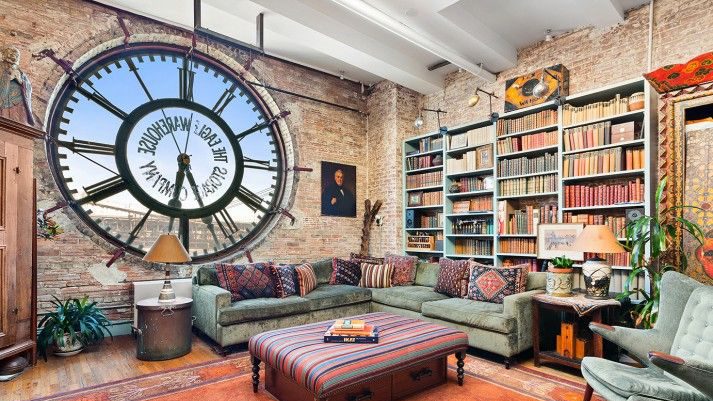
“But there was the clock,” Davis says. The historic watch face also doubles as a window in the spacious living room, offering views of the Brooklyn Bridge, Empire State Building, East River, and Lower Manhattan.
The clock tower
Donna Dotan/ Compass
Watch face doubles as a window
Donna Dotan/ Compass
Bedroom with skylight
Donna Dotan/ Compass
Davis opened up the space, removed the drop ceilings, restored the brick, and “returned its soul.” Now a one-bedroom, one-bathroom loft with nearly 17-foot-high ceilings, skylights, as well as large open spaces, light pours in.
The 1,260 square feet of living space also include a custom kitchen with extensive storage, a Viking convection stove, Fisher & Paykel dishwasher drawers, paneled Sub-Zero refrigerator, and stone countertops.
The spacious master bedroom comes with heated flooring, walk-in closets, millwork and exposed brick, and a skylight. The bathroom features a soaking tub. A washer and dryer has been installed next to the bathroom.
Originally constructed in 1892, the landmarked building was headquarters for the Brooklyn Eagle, a local newspaper once edited by poet Walt Whitman.
Since 1980, the Brooklyn landmark has been home to 85 residential units on nine floors. Amenities include a door attendant, live-in superintendent, on-site manager, bike storage, fitness center, and lobby.
The building is perfectly positioned at the entrance of Brooklyn Bridge Park, and close to shops and restaurants. The area is also close to the subway as well as ferry access to Lower Manhattan.
And thanks to the now-working clock—newly restored after years of dormancy—you’ll never have an excuse to be late.
As for Davis, he’s leaving for the countryside to raise his daughter. “After almost 25 years of caring for the clock, it is time to pass it on,” he says.
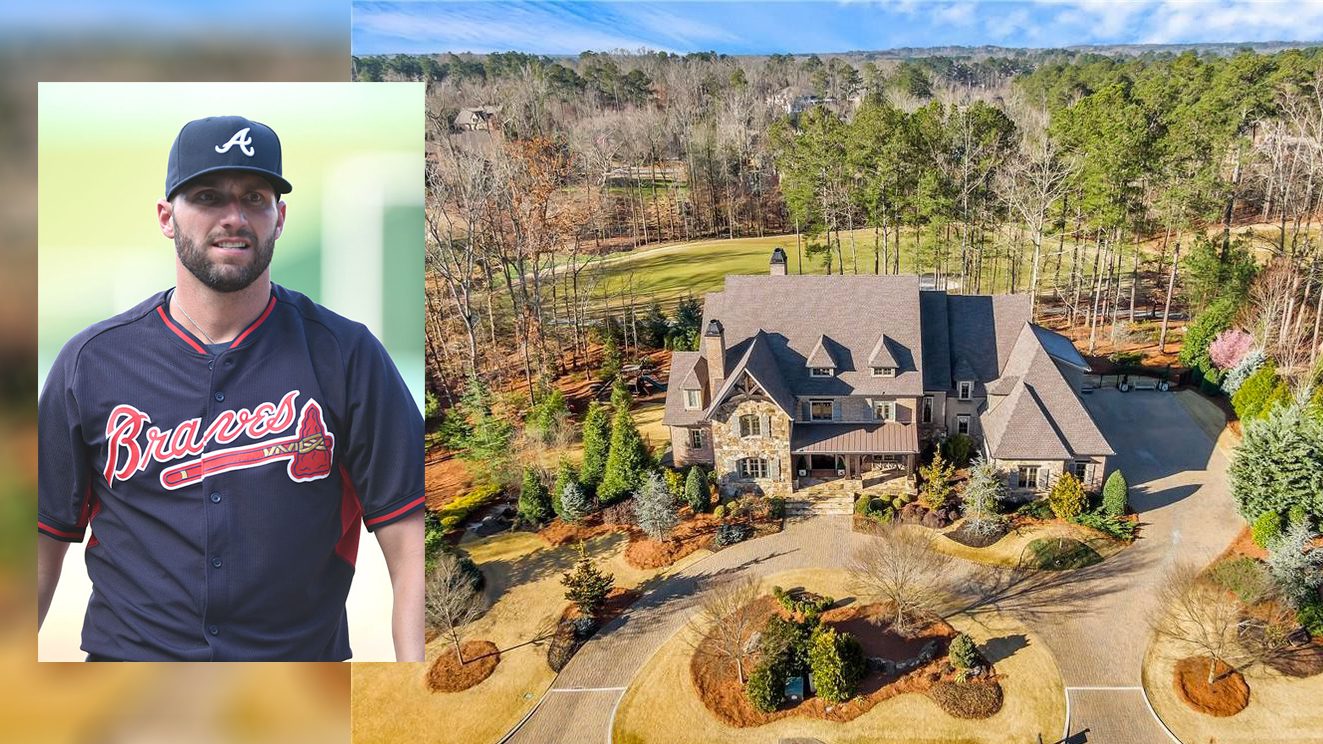
Former MLB outfielder Jeff Francoeur is swinging for a sale of his Suwanee, GA, home. The custom-built abode sits on 1.3 acres and is on the market for $3.8 million. It’s quite simply a home run for sports lovers.
Located on a golf course lot at the River Club Community, the 10,200-square-foot residence has six bedrooms and 7.5 bathrooms.
The traditional architecture features spacious rooms, high-end finishes, and amenities galore. One eye-popping feature that won’t be staying with the property? A trophy room filled with sports memorabilia, including jerseys, baseball bats, balls, and even shoes.
But plenty does come with the house, including a lower level with a crafts room, gym, and game room with a bar, billiard table, and projection screen—all perfect for hosting friends while taking in a big game.
Trophy room
realtor.com
Another look at the trophy room
realtor.com
Jeff Francoeur’s Georgia home
realtor.com
Living room with beamed ceiling
realtor.com
Kitchen with bar seating
realtor.com
Guest bedroom
realtor.com
Laundry room with dog beds
realtor.com
Bar and media room
realtor.com
Patio with hot tub
realtor.com
The main level has an open kitchen with designer appliances, marble and stone hood, and gas cooktop. A marble island includes bar seating, and a large dining table and family room sit just adjacent. The layout also includes a formal dining room, living room, and office with built-in shelves.
Upstairs, there’s a spacious master suite and four en suite bedrooms, along with a playroom, study nook, and second laundry room. A guest suite is located on the main level.
Pampered pooches have a dedicated space, too: Two built-in dog beds located in the downstairs laundry room, which has access to the yard.
Outside there’s a bar, grill, and fire pit. A lower-level patio includes hanging bed swings and a hot tub with waterfall. And a fenced yard overlooks the fourth hole of the golf course. A new roof, oversize driveway, and four-car garage complete the property.
Francoeur, 36, has made a quick transition from his playing days to the announcer’s booth. He serves as lead TV analyst for the Atlanta Braves, the same team the Georgia native broke into the big leagues with in 2005
Sarah Wilkins with Atlanta Fine Homes Sotheby’s International holds the listing.
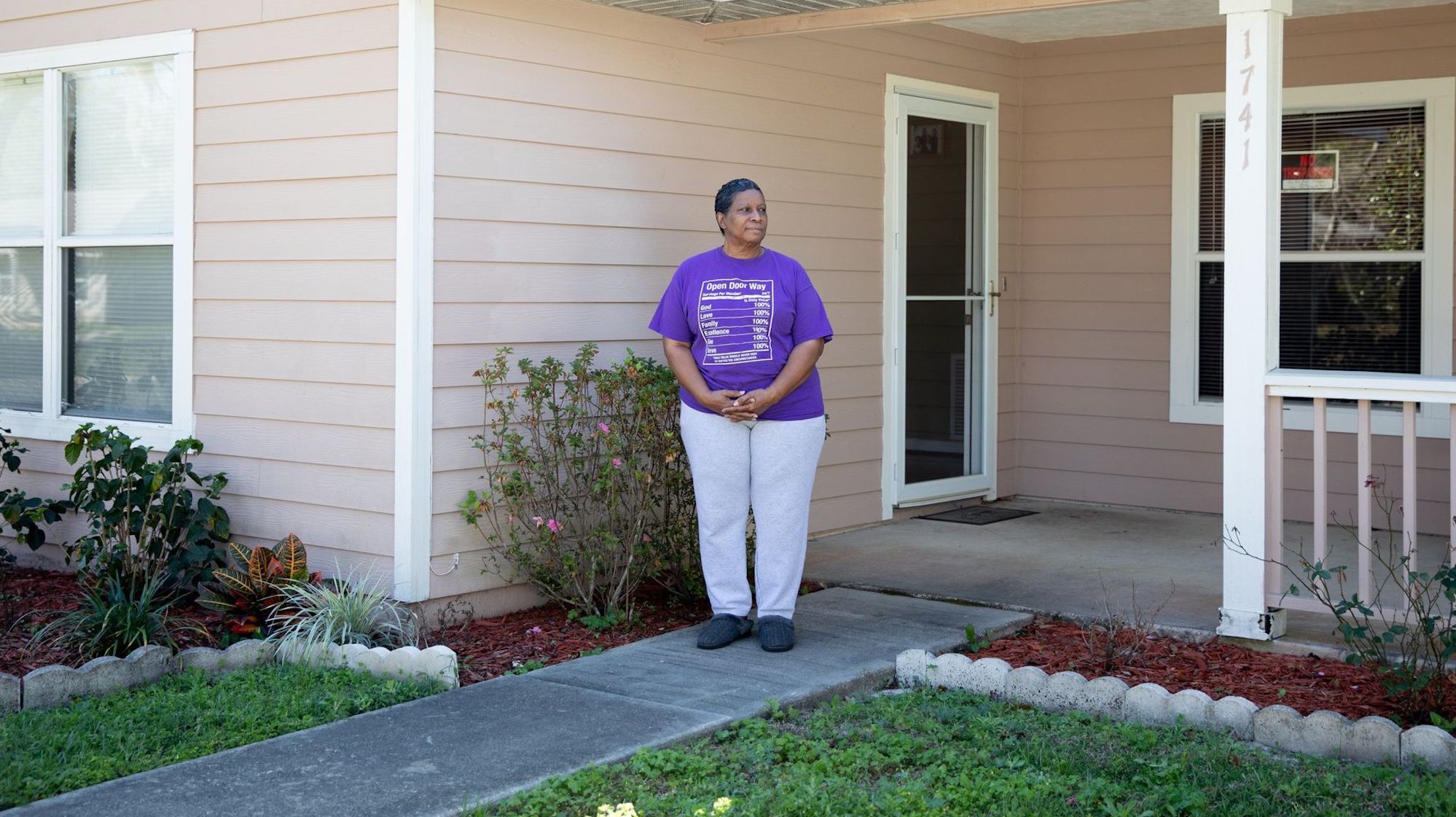
Hurricane Irma barreled through Gainesville, Fla., in 2017, displacing some of the clients Faye Feazell worked with as a home health aide. Ms. Feazell, unsure how she would make her monthly mortgage payments, called her mortgage company for help.
She said the company, AmeriHome Mortgage Co., told her not to worry: She could skip payments for 90 days. But three months later, when she called to find out about resuming payments, she learned she was being foreclosed on, she said. The AmeriHome employee she spoke to didn’t know anything about the relief plan Ms. Feazell said she was offered.
“It was heartbreaking,” Ms. Feazell said. “Because I have never been behind on anything in my life.”
Mortgage companies often offer help to borrowers after natural disasters, but the programs can end up hurting them.
The scope of the problem is difficult to quantify. Hundreds of homeowners have complained to the Consumer Financial Protection Bureau about problems with so-called mortgage forbearance programs. Consumer lawyers in regions hit hard by natural disasters say they have seen more homeowners who are reported delinquent to credit-reporting firms after accepting payment help.
“We’re just one law firm in one disaster in one part of Florida and we saw this come up a number of times,” said Mike Ziegler, a consumer lawyer in Clearwater.
How such programs operate, and their potential pitfalls, could become even more important in light of the coronavirus epidemic. If the disease spreads throughout the U.S. and puts some Americans out of work, lenders would likely grapple with how and whether to offer assistance to borrowers.
The problems with assistance programs often start with administrative errors that lead to bigger issues down the road.
After storms, wildfires and other natural disasters, companies sometimes offer help over the phone but don’t record that they did so, according to interviews with consumer lawyers and homeowners. The companies might not make it clear when or if borrowers have to make up the payments.
A company that tells borrowers they can miss payments might report them as delinquent to credit-reporting firms when they do so. That in turn can send their credit scores tumbling and make it more difficult for them to buy a car, rent an apartment or tackle other tasks after a storm. People with lower credit scores before a natural disaster are more seriously affected by knocks to their credit afterward, reinforcing their disadvantage, the Urban Institute found.
Servicers say they do their best to help borrowers and have made efforts to improve their disaster responses.
While such programs help many borrowers, reports of problems highlight the need for consumer vigilance. A trade group that represents the credit-reporting companies says consumers who skip payments after a disaster with their mortgage company’s permission should check their credit reports to make sure they haven’t incorrectly been reported as delinquent.
Consumer lawyers say borrowers should accept payment relief only if they have no other means to pay their mortgage and should call their servicers regularly until a final repayment plan is ironed out.
Ms. Feazell continues to live in her home. ‘It was heartbreaking,’ she said of the experience, ‘because I have never been behind on anything in my life.’
Charlotte Kesl for The Wall Street Journal
A law firm helped Ms. Feazell, 67, keep her home. But she still has to pay more than $7,000 for the attorney AmeriHome hired to process the planned foreclosure. She wishes she had never called the company for help.
AmeriHome declined to comment.
Susan Tellem’s home burned down when the Woolsey Fire tore through her Malibu, Calif., neighborhood in November 2018. Her mortgage servicer, Select Portfolio Servicing Inc., agreed to let her skip payments for four months as she figured out how much her insurance would pay to rebuild, she said.
Less than two months later, she got a letter from the company saying she was in default for missing a payment. Ms. Tellem, a senior partner at a public-relations firm, told the company she no longer wanted the relief and started paying the mortgage again, she said.
But her servicer reported her as delinquent, according to a copy of her credit report. Ms. Tellem’s credit score soon plunged. The company eventually sent correct information to the credit bureaus, she said, but her interactions were frustrating.
“It’s like a revolving door,” Ms. Tellem said. “You never talk to the same person.”
Select Portfolio Servicing didn’t respond to requests for comment.
For loans backed by Fannie Mae or Freddie Mac, mortgage servicers are required to give borrowers the option to skip payments for up to 12 months when a natural disaster hits, though the policy kicks in only under certain conditions. For example, the area has to be declared a major disaster by the president. The Woolsey Fire fell into that category, as did Hurricane Dorian in North Carolina and severe flooding in Nebraska and Iowa last year.
Under the same rules, servicers aren’t supposed to report borrowers as delinquent to credit bureaus while they are on disaster-relief plans. They are supposed to regularly check in with homeowners and set up a plan to transition back to payment.
A similar policy applies to Federal Housing Administration mortgages.
Some borrowers said their servicer told them they could skip several months of payments and tack them on to the end of the loan—but then were told a few months later they had to repay the money right away.
Cheryl and Garrett Bowles said that is what happened to them with Mr. Cooper Group Inc., formerly known as Nationstar Mortgage, after Hurricane Irma downed several trees on their property in Citra, Fla.
The Bowleses couldn’t afford to catch up with a lump-sum payment, so a Mr. Cooper employee offered what they hoped was a way out. Mrs. Bowles said she was told she could file paperwork requesting that the skipped payments be added to the end of the loan.
She said that she applied right away but a Mr. Cooper agent later told her the company had lost the documents and she had to reapply.
A spokesman for Mr. Cooper said Wednesday the company did offer the Bowles family a loan modification but wouldn’t specify terms or when it was offered.
Mrs. Bowles applied again. Mr. Cooper told her in a December letter it couldn’t modify her loan because her family had “insufficient disposable income.”
The family moved out of their 1982 Catalina double-wide mobile home in January. Mrs. Bowles found a buyer and expects the sale to cover the $40,000 still owed to Mr. Cooper. For now, they have moved in with Mrs. Bowles’s sister.
Mr. Cooper settled with Florida’s attorney general in 2018 over accusations that it misled borrowers after Hurricane Irma. The company didn’t admit wrongdoing, but its chief executive said in a press release its communication with some customers “was less than perfect.”
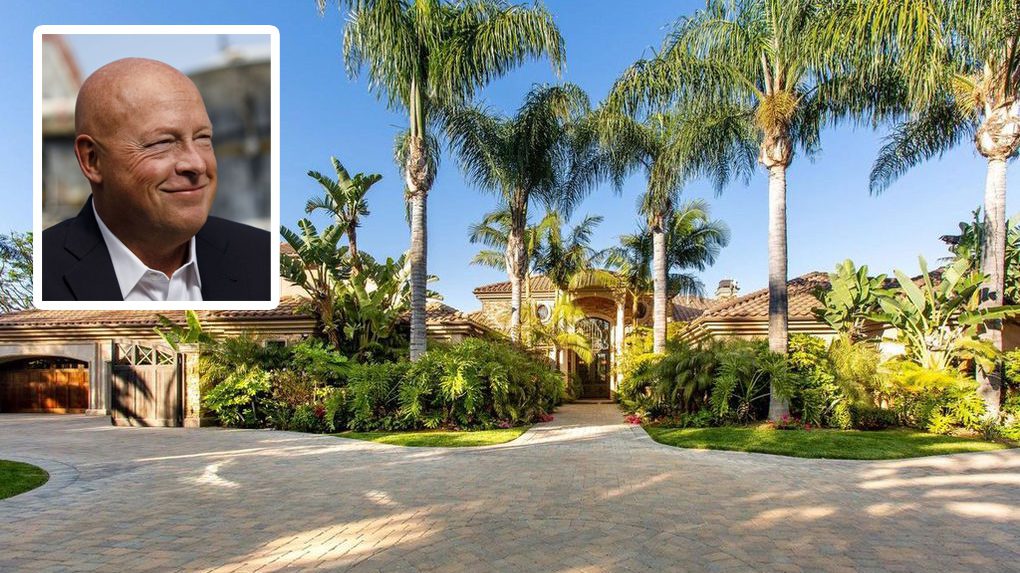
As he takes over one of the world’s largest media companies, Disney’s new CEO, Bob Chapek, is also looking to move out of his old home.
His residence in Camarillo, CA, is now on the market for $3.49 million. Even with his recent elevation to the top spot at the Mouse House, Chapek, 60, appears to be in no rush to sell. The home has been on the market for a little over a year.
The new CEO has worked for Disney for 27 years and will replace its longtime chief, Bob Iger, who will take on the role of executive chairman. He’s the seventh CEO of the enormous conglomerate, with divisions including theme parks, movies, television networks, and merchandise.
Not known as a red carpet presence, the man at the helm of major studio names like Marvel and Pixar resides “in the outskirts of Los Angeles, far from the fashionable Brentwood and Pacific Palisades neighborhoods, where most power players reside,” the New York Times noted. The home is more than 40 miles west of Disney’s headquarters in Burbank, which is quite a commute, given the notoriously congested Southern California freeways.
Of course, with a new title and his old home on the market, the executive may very well be considering a move into a neighborhood closer to the Hollywood power players.
The digs being sold by the new Disney leader are located in an under-the-radar area way out in Ventura County. It’s a relaxing retreat with plenty of space, both indoors and out.
The home is just one of “only 25 custom and equestrian estates in the 387-acre community,” notes listing agent Erin Pohl. She and Bob Pearson, both with Coldwell Banker Realty-Westlake Village Regional, hold the listing.
“All properties are zoned equestrian, and trails meander throughout the community, connecting to the larger Santa Rosa Valley trail system,” Pohl adds. Chapek’s home is located “at the peak of the community, with stunning views of the surrounding hills and valleys—including the Reagan Library.”
Bob Chapek’s secluded estate in Camarillo, CA
realtor.com
Great room
realtor.com
Breakfast room
realtor.com
Dining room
realtor.com
Living room
realtor.com
Home theater
realtor.com
Owner’s suite
realtor.com
Pool with slide
realtor.com
Lounge space
realtor.com
Located in the gated and exclusive Lexington Hills Development, the massive, 6,088-square-foot mansion features six bedrooms and 6.5 baths on just over 20 acres.
Built in 1999, the Italian Renaissance-style estate features an Old World look, and includes gracious terraces, covered loggias, and patios.
Outside, the grounds include an extensive array of amenities, beginning with an infinity-edge pool, spa, and slide. In addition to a spacious outdoor lounge, and dining and kitchen areas, there’s a vegetable garden and fruit trees, a covered greenhouse, and a viewing deck.
Inside, the great room is the central hub, featuring a kitchen with granite slab counters, a bar, wine cellar, and pantry. High-end appliances include Wolf, Sub-Zero, and Miele. Adjacent to the kitchen is a morning room.
In addition, the layout includes a formal living room, dining room, and screening room. The owner’s suite includes a sitting area, and an outdoor private spa with views. The en suite bath comes with travertine flooring and a soaking tub. Other spaces include a gym, laundry room, and four-car garage.
Chapek and his wife also have a home right on the beach in Oxnard, CA. Chapek joined Disney in 1993, and before his recent promotion, he served as the chairman of Disney’s Parks, Experiences, and Products.
The coronavirus seems to be creeping ever closer to home. According to the World Health Organization, over 80,000 cases of COVID-19 have been confirmed worldwide, leading to 2,700 deaths. Within the United States, more than 50 cases of the coronavirus have cropped up so far.
Fortunately, the Centers for Disease Control says that the general American public’s risk of exposure to the virus is low at present, and according to the New York Times, more than 80% of the confirmed cases in this country have been relatively mild.
“This virus is nowhere near as serious as pandemics of the past, even at the epicenter in China, so keep a cool head as you take in the daily news,” says Bill Carroll, an adjunct professor of chemistry at Indiana University.
Nonetheless, many people are worried about what they should do if things do get worse. Should they hunker down at home—and is there anything they should do there to prepare?
If you’re jittery and want some extra assurance that you’re doing all you can to stay safe, here are several things you can do to protect your home in case of the coronavirus—and to keep this virus at bay if it crops up in your community.
Curbing your exposure to the coronavirus starts with limiting your exposure to people who might be carrying it. In other words, stay home! As you would with a severe weather event, it’s suggested you stock up on enough food to last for a couple of weeks, according to the American Red Cross.
Pantry staples are easy to pick up and store, including cereal, crackers, pasta, rice, frozen veggies, and canned goods (beans, tuna). And don’t forget toilet paper, as well as laundry and dish detergent.
Soups and Gatorade are worth adding to your cart, too, since staying hydrated will be important if anyone in the family falls sick. If you have a baby on board, also make sure you have enough formula and diapers on hand.
While not much is yet known about how long COVID-19 can survive on surfaces, Stephen Morse, a professor of epidemiology at Columbia University Medical Center, told NPR that based on previous coronaviruses (yes, this isn’t the first), he thinks that COVID-19 can be killed by most household cleaners, including bleach, alcohol, or even plain old soap and water. The reason: This coronavirus is surrounded by a lipid covering that soap can break down.
As a result, wiping down counters, doorknobs, faucets, cellphones, and other areas that often come in contact with people’s hands can go a long way toward preventing the spread of germs and sickness in the home.
“Viruses can persist on surfaces, so anything you can do to keep them clean is a help, including the use of bleach solutions and disinfecting wipes,” says Carroll.
The same germ-prevention advice holds for your hands and mouth.
“Alcohol in hand sanitizers helps, but washing your hands often, for at least 20 seconds, is better,” Carroll urges. “Try not to touch your eyes, nose, or mouth with dirty hands, and always cover your mouth when you cough.”
Last but not definitely least, make sure to wash your hands with soap and water frequently. In fact, make a habit of washing your hands as soon as you walk in your front door.
If you take a certain medication daily, it’s smart to make sure you have enough in your cabinet.
“I don’t think you’ll need six months’ worth, but an extra month or two is a hedge against potential supply-chain shortages,” says Carroll. Pick up other medicine cabinet basics you might be missing, such as acetaminophen, ibuprofen, and bandages.
As for wearing face masks outside the house, that probably helps as much as covering your mouth when you cough, says Carroll. That is, if it turns out you’re the sick one, you’ll be reducing other people’s exposure to a degree, but it won’t do much for your own risk from others.
“Unless the mask is capable of filtering viruses and tightly fitted to prevent inhaling air around it, it’s not of much use, and it doesn’t protect you if you rub your eyes, because it’s not a full face shield,” he explains.
As fear of the effects of the coronavirus has spread, some businesses are urging employees to work from home, especially if their work involves travel to Europe or Asia. If you think you might need to work remotely in the coming weeks or months, take stock of your home office and be sure it has all you need. Order enough paper, ink, toner, and other work supplies, so you can be productive in case you need to work there.
Lie low if you’re sick
Got a bug? Whether it’s the seasonal flu or something worse, it’s always best to stay home. If you have children of school age, follow the instructions from your district as to whether they should attend or skip school.
Most Americans these days have a certain degree of PTSD when it comes to even passing mentions of the R word. After all, the Great Recession worked its dark tendrils into the lives of just about everyone. Nearly 9 million people lost their jobs. Almost 10 million homes were foreclosed upon or underwent a short sale. Even those lucky to hold on to their jobs and homes often went without raises and bonuses for years, and watched their retirement accounts dwindle.
And now, with the recent stock market drops and escalating fears that the COVID-19 virus is plunging the world into another recession, folks are beginning to experience some ugly déjà vu. Shudder.
So it seems like a good time to take a big step back to determine just what happened to the housing markets in America’s top cities in the aftermath of the worst real estate crash since the Depression. Because the silver lining to the previous housing bust were bargain-basement home prices—if you were able to scrape up the funds to become a buyer back then, of course. Those fortunate enough to weather the storm and purchase a home at the bottom of the market basically won the equivalent of the real estate jackpot.
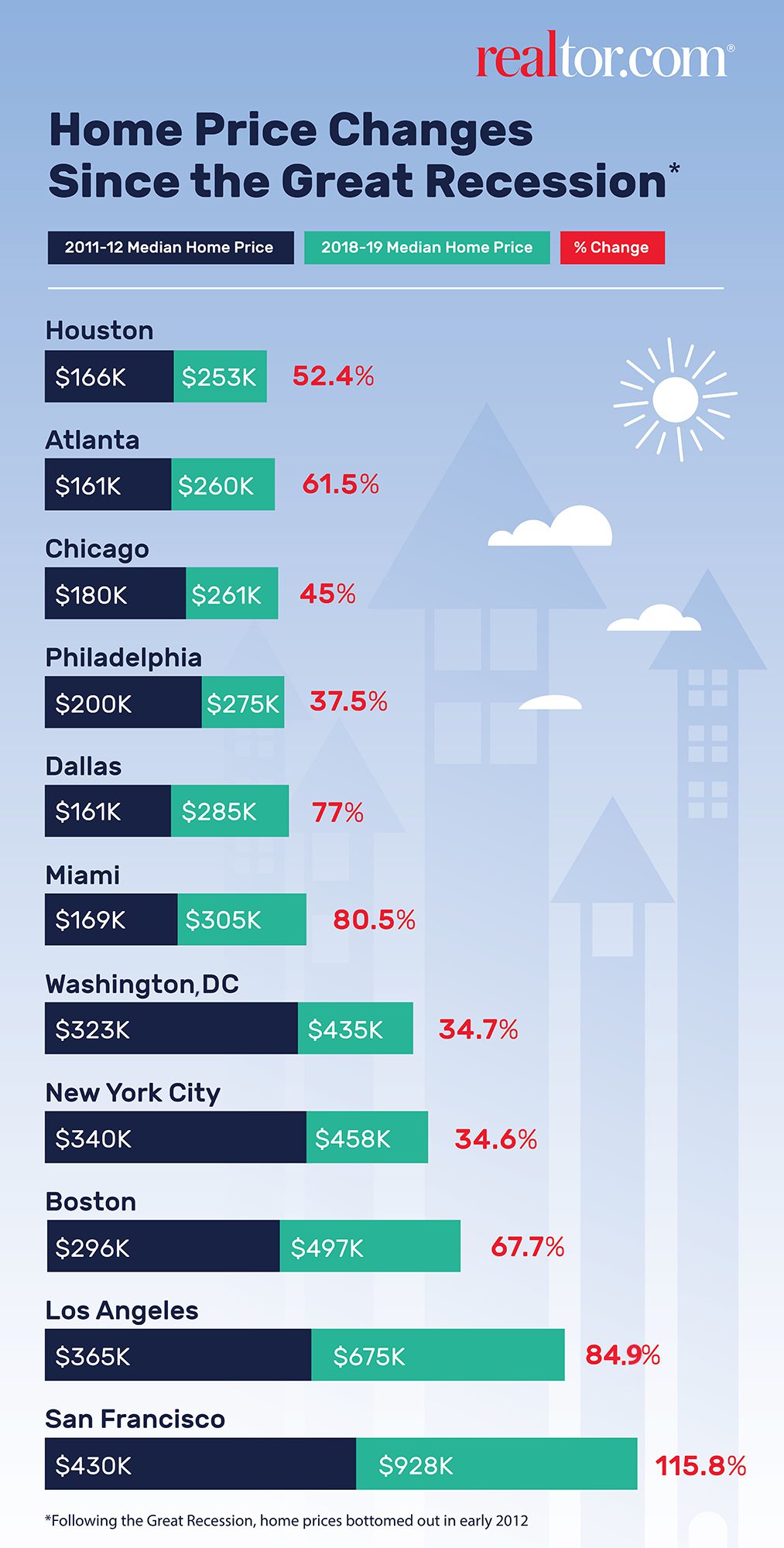
After 127 months straight of economic growth and surging demand for housing, home prices in most of the country have reached or exceeded their pre-recession peaks. The realtor.com® data team set out to determine just how much prices rose from the trough to the pinnacle in the nation’s largest metropolitan areas.
So where were the increases the highest?
“Cities where we’re seeing the strongest price rebounds are where high-wage jobs like tech, health care, and financial services have grown the most during this past decade,” says realtor.com Senior Economist GeorgeRatiu. They include Dallas, where home prices skyrocketed as more companies have moved in—attracting workers from around the world jockeying for good places to live.
There have also been huge price gains in cities that fell the furthest—like Las Vegas and Miami, where crazy overbuilding coupled with rampant real estate speculation led to the biggest of busts. They had nowhere to go but up. In Las Vegas, aka foreclosure central, median sale prices have since risen 121.4% from early 2012 through the top of the market in November 2019.
To figure out where prices have increased the most, the data geeks of realtor.com looked at the median home sale prices in the 11 largest metropolitan areas* at the bottom of the market in February 2012. (While economists say the Great Recession ended in mid-2009, real estate prices didn’t bottom out in most markets until 2012.) Then we compared those lows to each city’s corresponding post-recession peak to see which places saw the highest percentage change.
Ready to find out just how much you could have made if you’d only bought way back then?
Home Price Growth Since the Great Recession
realtor.com
New York, NY
Median home price February 2012: $340,000 Highest month (July 2019) median home price: $457,500 Percentage increase: 34.6%
Any New Yorker will remember the empty construction sites, expanses of dirt, and partly laid foundations that pocked the city after the housing crash. But no more.
The post-recession years of 2014 and 2015 are what real estate appraiser Jonathan Miller of Miller Samuels calls “peak new development.” Cranes dotted the city skyline like pigeons on Central Park benches. Thousands of luxury condos and apartments were erected.
Seven-bedroom townhouse in Harlem
realtor.com
During the crash, foreclosed single-family homes with overgrown yards and boarded-up windows became familiar sights in poorer, predominantly minority communities in Southeast Queens, the South Bronx, and Southeastern Brooklyn. Upper Manhattan also took a hit. Its East Harlem neighborhood, which saw home prices increase a staggering 499.6% from 1996 to 2006, was among the neighborhoods that saw the steepest drops when the bubble popped.
But prices for townhomes and brownstones have ballooned back up by more than 170% since 2009, according to Property Shark data.
This seven-bedroom townhouse in Harlem, for example, sold for $3.4 million, five years after it was picked up for $550,000.
Astronomically high prices are now the norm again in all five boroughs of New York City. Plagued by a dearth of affordable housing in the wake of the recession, buyers have been moving farther and farther out from central Manhattan. That’s resulted in fast-rising real estate prices in outlying neighborhoods well beyond their previous 2008 highs.
In former working-class enclaves like Ridgewood, on the border of Queens and Brooklyn, this three-bedroom, single-family home is now on the market for $799,000; it sold for $380,000 in 2008 before the neighborhood got trendy with hipsters priced out of Brooklyn’s Greenpoint and Williamsburg.
“It’s the [neighborhoods] that haven’t already been established that saw the most growth,” says Miller.
Los Angeles, CA
Median home price February 2012: $365,000 Highest month (July 2019) median home price: $675,000 Percentage increase: 84.9%
Los Angeles’ real estate market is back and then some. Thank the strong economic recovery in the City of Angels, which resulted in a high concentration of well-paid buyers who have been driving up the cost of housing in recent years.
Prices are especially steep in the wealthier, westside neighborhoods now known as Silicon Beach, which includes Santa Monica, Marina Del Rey, Playa Vista, and Manhattan Beach. Home to Snapchat, Google, and other tech companies, areas like Venice have seen prices skyrocket. In Marina Del Ray, a five-bedroom, four-bath home that was sold for just over $2 million in 2011 is now on the market for just under $3.5 million. This one-bed, one-bath condo in the same neighborhood was sold for $579,000 in 2014—and is now listed at $850,000.
Home in Marina Del Ray
realtor.com
But, as is the case in many other U.S. cities, the far-flung suburbs were hardest-hit. Inland areas like Palmdale and Lancaster saw some of the steepest declines in the new housing developments that went up as far as the eye could see leading up toward the crash. That’s where prices still haven’t fully recovered.
Statewide, home prices fell 42% from the pre-recession peak to the bottom of the market, according to an analysis of CoreLogic data.
“California was really at the forefront of the housing crash,” says realtor.com’s Ratiu.
Chicago, IL
Median home price February 2012: $180,000 Highest month (July 2019) median home price: $261,000 Percentage increase: 45%
Illinois had one of the greatest nosedives in home prices during the Great Recession—across the sprawling Chicago metro they declined by 33% at the bottom of the crash, according to an analysis of CoreLogic data. And while much of the region has been on a multiyear home-buying spree since the recovery kicked in, some parts of the Chicago metro are still lagging behind.
The suburban McMansion communities that went up like wildfire in the ’90s and early 2000s have been especially slow to recover. Demand simply hasn’t been as strong there. In South Barrington, IL, this sprawling four-bedroom that hit the market for $725,000 in 2009 is now listed for just $589,000.
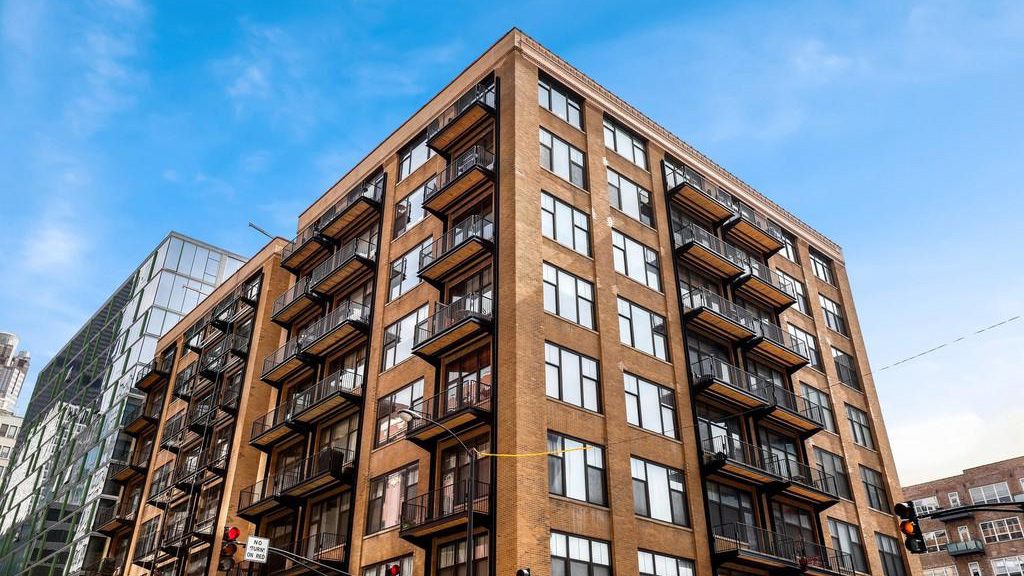
Condo building in Chicago’s West Loop
realtor.com
And while the rest of the Windy City metro market has cooled slightly after a yearslong buying frenzy, the once gloomy West Loop is still roaring after a multiyear, post-recession surge. The developers who first started transforming the centrally located neighborhood with amenity-laden, millennial-focused condos are still selling million-dollar-plus abodes.
Dallas, TX
Median home price February 2012: $161,000 Highest month (June 2019) median home price: $285,000 Percentage increase: 77%
Home values have surged substantially in Dallas over the past seven years—largely due to the metro’s transformation into a much more diverse, economic powerhouse.
After the housing bubble burst just over a decade ago, plenty of builders went out of business and an excess of homes sat empty without buyers. But the market normalized again fairly quickly, according to local building consultant Ted Wilson of Residential Strategies.
Within the past few years, all kinds of companies are moving, expanding, and opening up in the Dallas–Fort Worth region. Toyota opened a U.S. headquarters outside of the city in 2017. And all of those well-paid workers moving in need places to live, causing prices to shoot up in recent years.
In desirable North Dallas, a just-sold two-bedroom home that was listed for $246,000 in 2009 went on the market for $325,000. That’s not uncommon as the area continues to boom.
Houston, TX
Median home price February 2012: $166,000 Highest month (June 2019) median home price: $253,000 Percentage increase: 52.40%
Like Dallas and much of the rest of Texas, Houston escaped the worst of the Great Recession. Sure, there were plenty of foreclosures. But unlike places like Florida and Nevada, the state never saw the mobs of frenzied investors artificially inflating costs to buy homes in the run-up to the recession. So things bounced back faster.
“Other parts of the country saw amazing price increases in the run-up to the subprime debacle. Texas really didn’t participate,” says building consultant Wilson.
Houston wasn’t just lucky. The city has shifted its economic focus away from oil and gas—though the industry is still a huge presence—toward health care, construction, and administrative services. The job growth is up, luring more out-of-towners to settle here.
Four-bedroom home in Houston
realtor.com
So it’s no surprise that single-family home sales have been on the rise. They jumped nearly 10% from last year, according to the Houston Association of Realtors. The majority of those purchases were in the midrange, from $150,000 to $500,000.
The neighborhoods surrounding Hobby Airport, considered a haven for first-time home buyers, have seen steady increases in home values. This Glenbrook Valley four-bedroom house is on the market for $309,900, a 76% increase over its 2014 asking price.
Philadelphia, PA
Median home price February 2012: $200,000 Highest month (July 2019) median home price: $275,000 Percentage increase: 37.50%
Homes in an industrial section of Philadelphia.
Nick Pedersen/iStock
The City of Brotherly Love has done a 180-degree turn from the dark days of the recession. The former industrial city has been making a comeback with a stronger economy, a growing population, and fewer vacant homes. Bidding wars are common, and buyers often have to submit several offers before getting a contract.
But unfortunately for buyers who picked up a home at the bottom of the market, they’re not seeing the same kinds of high returns as in other parts of the country. That’s because prices didn’t rise as much in the run-up to the bust as the city was still struggling. So they didn’t have as far to fall.
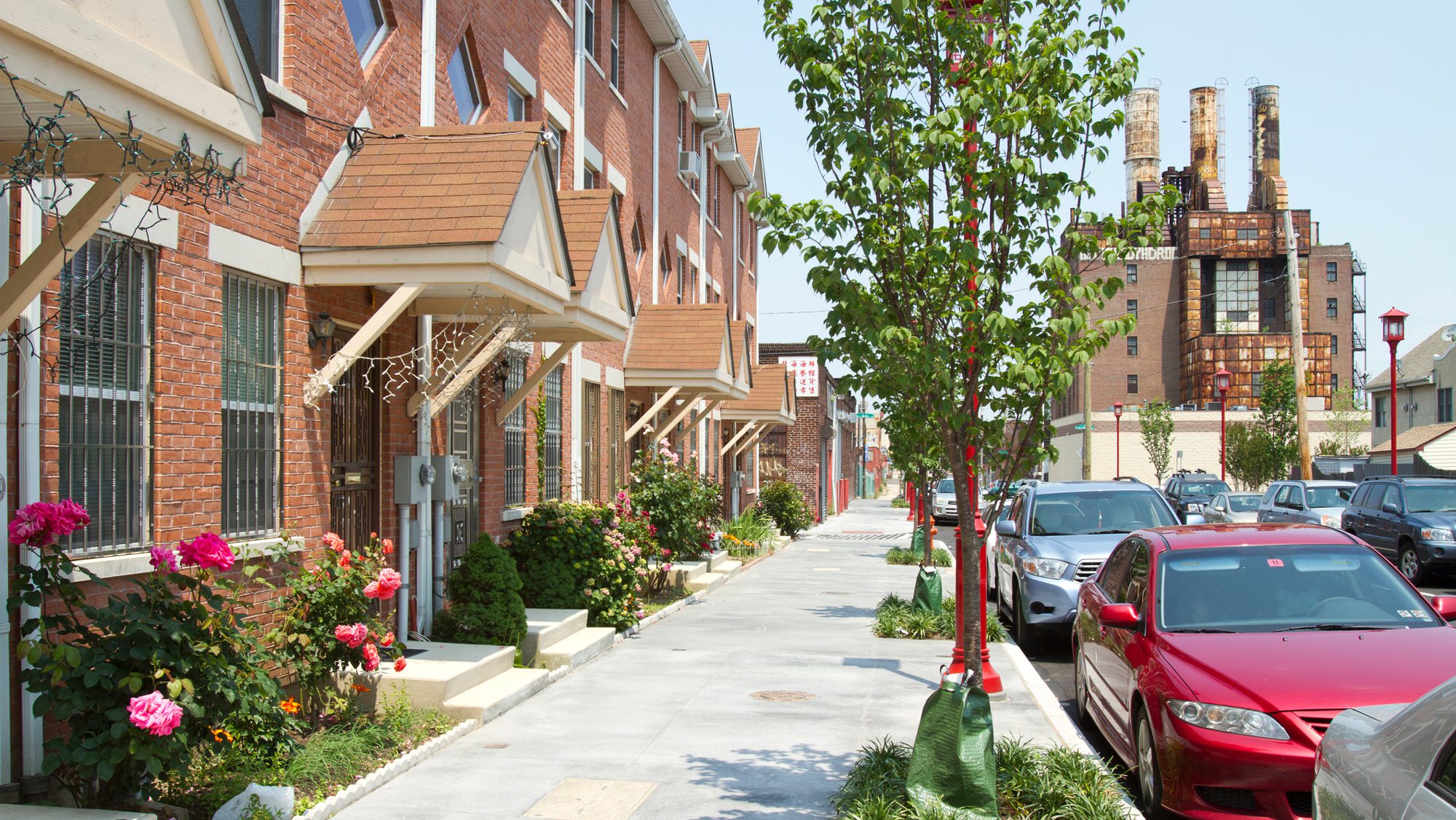
The parts of town that have seen the biggest price jumps are the ones that were considered less desirable a decade ago. They’re neighborhoods of older, brick row homes and newer condos that are now considered “up and coming” such as Point Breeze, Kensington, and Fishtown.
Washington, DC
Median home price February 2012: $323,000 Highest month (July 2019) median home price: $435,000 Percentage increase: 34.70%
When the housing bubble burst, home values didn’t fall off a cliff in DC. After all, the nation’s capital always has a steady stream of government employees, lobbyists, and politicians moving in and out. But as in many cities, predominantly minority neighborhoods were affected the worst.
Overall, the DC metro area’s real estate market has seen steady gains in the recovery, especially over the past year or so, with the drop in interest rates, employment gains, and the upcoming arrival of Amazon’s second headquarters all increasing demand for homes.
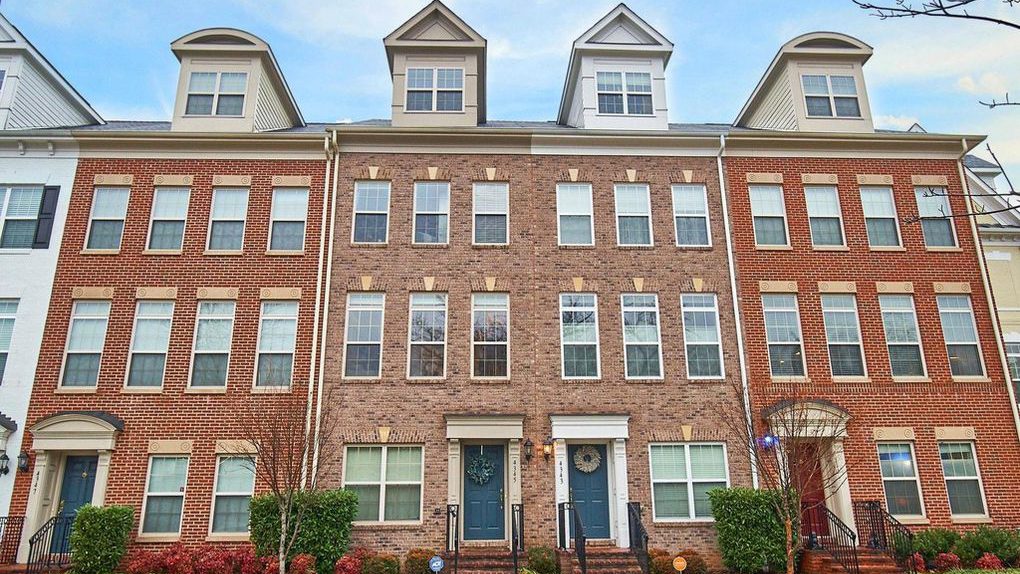
Townhouses in Arlington, VA
realtor.com
In Virginia’s Arlington County, where Amazon will be located right across the river from DC, median home prices rose 33% from November 2018—when the company announced its new location—to November 2019. And they’re expected to keep rising over the next few years as well-paid Amazon employees look for nearby homes.
Miami, FL
Median home price February 2012: $169,000 Highest month (Nov. 2019) median home price: $305,000 Percentage increase: 80.5%
South Florida was one of the epicenters of the housing apocalypse, a sun-drenched poster child for overdevelopment and subprime mortgages. Everyone from lawyers and stockbrokers to exotic dancers and busboys seemed to heedlessly jump onto the real estate speculation train.
When the market bottomed out, there were moldy, vacant homes on nearly every block. Statewide, home prices plunged a whopping 50% from their pre-recession highs to the bottom of the market, according to an analysis of CoreLogic data
While the market for single-family homes has met or expanded beyond mid-aughts peak prices, many condos have not fully rebounded to their former high price points. And it doesn’t look like the developers have learned their lessons. A new, post-recession group of luxury condo towers has been going up on the water since 2013 and 2014.
“South Florida is boom or bust,” says Jack McCabe, CEO of Florida-based McCabe Research & Consulting. “Things here are either rapidly appreciating or we’re overbuilding and rapidly declining.”
This two-bedroom condo with water views in the Brickell neighborhood (just south of downtown Miami) was sold for $505,000 in 2006, a year after it was built. It was listed for $200,000 in 2012—and now it’s back on the market for $440,000.
Atlanta, GA
Median home price February 2012: $161,000 Highest month (June 2019) median home price: $260,000 Percentage increase: 61.50%
Atlanta was devastated by the Great Recession: About 1 in 10 jobs was lost while around 250,000 homes were foreclosed upon. Construction came to a screeching halt in the northern exurbs of the sprawling city. But fast-forward just over a decade and Hotlanta is back.
Home in Adair Park listed for nearly four times its 2014 price.
realtor.com
Neighborhoods surrounding the Beltline, a former railway corridor encircling the city that is currently being transformed into hiking and biking trails, have quickly made up for lost values over the past couple of years. In Adair Park, a neighborhood right near the recently completed section of the 3-mile westside trail, this four-bedroom, single-family home is asking nearly four times its 2014 price. It’s listed at $475,000.
“Everybody is following the Beltline,” says Ryan Sconyers, a Realtor® with Graham Seeby Group. “It’s turned into gangbusters real estate-wise.”
Boston, MA
Median home price February 2012: $296,000 Highest month (June 2019) median home price: $496,500 Percentage increase: 67.70%
Condo building in Brookline, MA
realtor.com
The Boston metro area did see some steep price corrections when the housing market crashed. But the area, so rich in high-paying academic, technology, and financial jobs, has grown substantially in the years since. The population has exploded 12.4% since 2010.
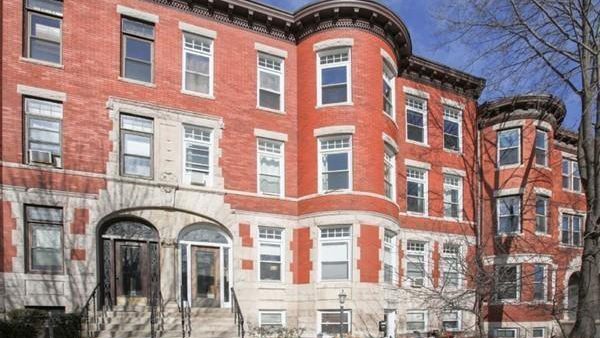
As housing demand has increased, so have home values, swelling well beyond their pre-recession highs. For instance, in Brookline, MA, a stable suburb that was one of the last neighborhoods to drop in value and the first to come back, this three-bedroom, two-bathroom condo was last sold in 2007 for $595,000. It’s now asking nearly $1.2 million.
“In Boston, the average sale price has gone through the roof,” says Brookline associate real estate broker Jayne Friedberg of Coldwell Banker Residential Brokerage. “Those price points are way over what they were pre-recession.”
San Francisco, CA
Median home price February 2012: $430,000 Highest month (May 2018) median home price: $928,000 Percentage increase: 115.80%
With a huge influx of high-paying tech jobs—600,000 to 700,000 new positions since 2010—the San Francisco Bay Area is now the priciest real estate market in the United States. During its 2018 peak, median home prices were more than double that of the New York City metro (which includes the suburbs and outer boroughs) and a few hundred thousand dollars higher than in Los Angeles.
“Everything has come back,” says Patrick Carlisle, chief market analyst of the Bay Area for real estate brokerage Compass. “Of course there have been different levels of appreciation depending on where in the metro area.”
Home in Bernal Heights that sold for $2.34 mil
realtor.com
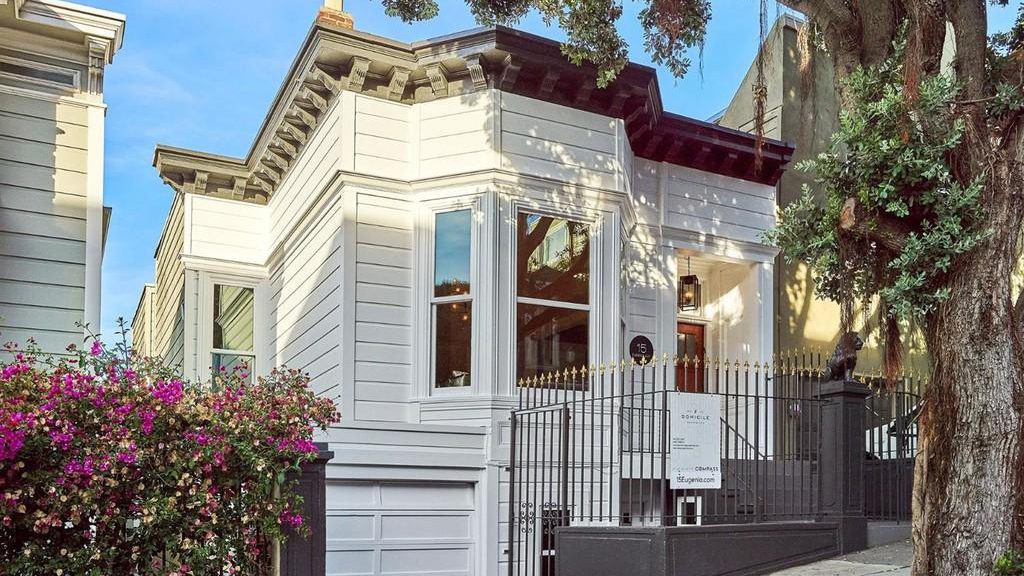
In Bernal Heights, adjacent to consistently popular and relatively stable Noe Valley, prices have skyrocketed. This just-sold, four-bedroom Victorian that was purchased for $1,135,000 in 2011 was asking about twice that.
The more expensive homes in longtime desirable places like Noe Valley and Pacific Heights saw values surge 70% in the run-up to the recession. Prices dropped a bit, but many of the well-to-do homeowners were able to avoid foreclosure and weather the economic storm.
Meanwhile, on the outskirts of Alameda and Contra Costa counties, home prices soared up to 170% before the recession This five-bedroom home in Dublin was sold for $1,300,000 in 2005, then $735,000 in 2009. It’s now listed for $1,439,000 and just went under contract.
“In 2015–16 more affordable neighborhoods started to go up faster because things had gotten too expensive so quickly in more affluent neighborhoods,” says Carlisle. “There was a desperate search for, ‘Where can I still afford a home?’”
* Metros consist of the main city as well as the surrounding suburbs, towns, and smaller cities.